Where Creativity Meets Code: How AI Is Powering the Next Generation of Human Expression
From predictive algorithms shaping our playlists to generative models crafting stunning digital art, artificial intelligence is no longer just a tool for automation — it’s a collaborator in creativity. As AI continues to evolve, its role in the realm of human expression is expanding rapidly. We’re entering a new era where machine learning doesn’t just analyze data but inspires emotion, aesthetic, and innovation.
This blend of art and algorithm isn’t science fiction — it’s happening now, across disciplines ranging from music and filmmaking to psychology and digital crafting.
Creativity in the Age of Algorithms
Traditionally, creativity was considered a uniquely human trait — something intuitive, emotional, and unquantifiable. But recent advancements in AI have begun to challenge that boundary. Generative Adversarial Networks (GANs), transformer-based models, and neural style transfer have all demonstrated an ability to produce compelling, original content.
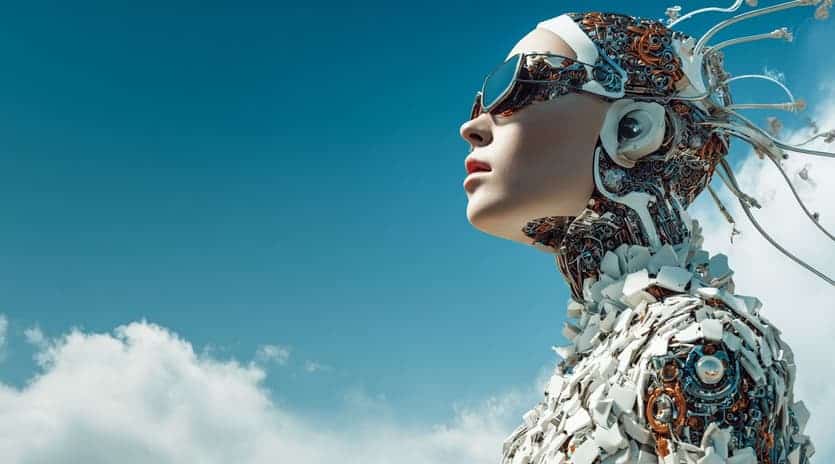
These tools don’t just replicate human creativity; they enhance it, offering new ways for artists and designers to experiment, prototype, and scale their work.
- In music, AI assists in composing symphonies based on emotional tone.
- In visual arts, it helps generate textures, color palettes, or even entire scenes from written prompts.
- In gaming and entertainment, AI contributes to dynamic storytelling and responsive design.
But perhaps the most fascinating applications are emerging in places we least expect — like in the world of handmade crafts and analog creativity.
The Craft-Tech Connection: A Case Study in Hybrid Creativity
Consider the example of Fun Stampers Journey, a creative platform designed for crafters, scrapbookers, and cardmakers. At first glance, it might seem far removed from AI-driven innovation. But as consumer trends in handmade goods evolve, platforms like this are beginning to intersect with digital technologies in powerful ways.
AI-powered design tools are increasingly being used to:
- Predict crafting trends using data from Pinterest, Etsy, and social media.
- Generate templates and layouts that adapt to user preferences and skill levels.
- Offer intelligent recommendations for stamp combinations, color schemes, or embellishments based on past projects.
The combination of a hands-on creative community with algorithmic insight is not about replacing the artist — it’s about supporting the maker with tools that amplify their vision and efficiency. The result? A smoother, more personalized creative process — and a deeper connection between the digital and tactile worlds.
Personalization at Scale
One of AI’s biggest contributions to creativity is its capacity for mass personalization. Whether in e-commerce, education, or entertainment, AI allows platforms to dynamically tailor experiences for individual users based on behavioral data.
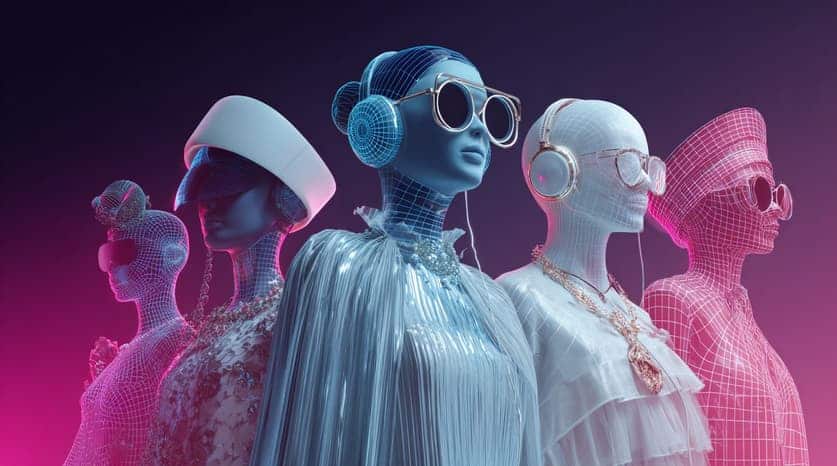
In the creative space, this means:
- Personalized tutorials based on learning style.
- Custom design kits aligned with seasonal trends.
- Adaptive difficulty levels for creative challenges or crafting projects.
It’s a concept that can easily be extended to everything from online art courses to 3D modeling for augmented reality filters.
Emotion and Expression: The Psychological Layer
An often-overlooked aspect of AI in creative spaces is its impact on emotional intelligence and mental health. Recent research in neural networks and affective computing suggests that AI can now:
- Identify emotional states through voice, facial expression, and word choice.
- Predict burnout or stress in creatives based on work patterns.
- Offer adaptive support, like breaks or inspirational prompts, during high-cognitive-load tasks.
This ties into broader research in neuropsychology and human-AI interaction, where algorithms are trained to understand not just what people make, but how they feel when they make it. When embedded into creative tools — from digital painting platforms to collaborative AI storytellers — this layer of empathy fosters healthier, more productive workflows.
Imagine a crafting app that detects when you’re frustrated, and gently suggests a different approach or offers encouraging feedback. The foundation of such systems is already being laid by psychological models in AI, and platforms stand to benefit from this evolution.
Collaboration, Not Competition
There’s an important distinction to make here: AI isn’t replacing human creativity — it’s redefining how it works. Just as Photoshop didn’t eliminate traditional art but expanded its possibilities, AI-powered tools offer a collaborative framework for makers, not a threat.
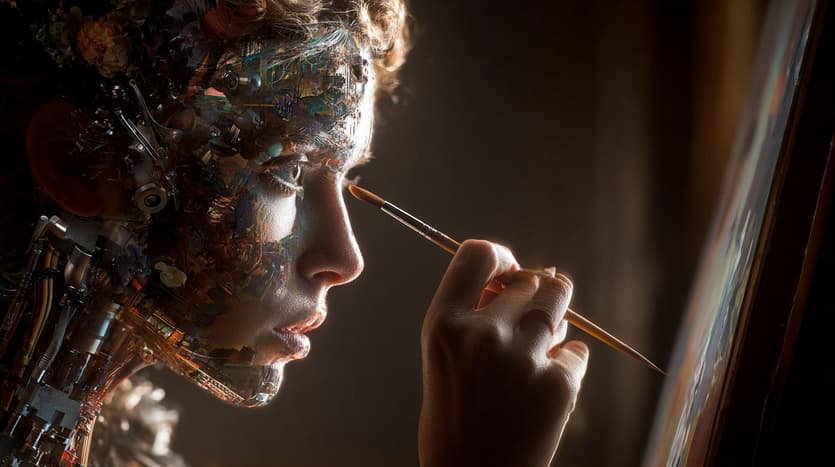
From Adobe Firefly to Canva’s Magic Design to AI plugins for Procreate, the emphasis is increasingly on augmented creativity: giving artists superpowers rather than replacing their instincts.
Even in analog spaces like the paper crafting community, the integration of smart design tools, AR filters for virtual mockups, and predictive trend data is quietly revolutionizing workflows.
What’s Next: Ethical and Cultural Considerations
Of course, the convergence of AI and creativity isn’t without challenges. Concerns around:
- Intellectual property: Who owns AI-generated work?
- Bias in training data: Does AI creativity reflect only dominant cultural norms?
- Human identity: Can something created by a machine carry emotional authenticity?
These questions are not just philosophical — they’re practical. As creative AI becomes more mainstream, developers and artists alike will need to co-create new ethical frameworks to govern originality, authorship, and artistic value.
Conclusion: The Art of Future-Making
AI is no longer confined to data analysis or backend infrastructure. It’s in our music, our stories, our sketches — and even our stamps. As neural networks get smarter and more emotionally attuned, the tools we use to express ourselves will only become more powerful — and more personal. The goal isn’t to automate creativity out of existence but to amplify what makes it human.
And in that shared space between code and craft, a new generation of artistry is being born — one where inspiration is infinite, and creativity is no longer limited by tools, time, or talent.