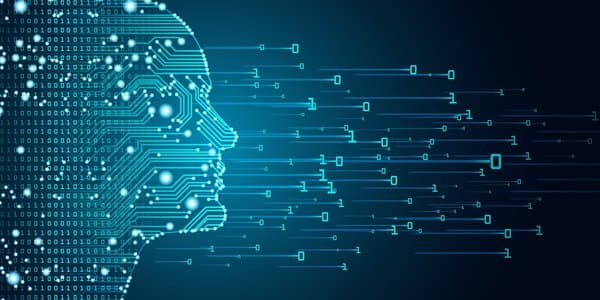
Artificial Intelligence in Everyday Life: How AI is Changing Our Daily Routines
Artificial Intelligence (AI) is no longer something distant and fantastic, but has become an integral part of our daily lives. Today, we encounter its impact literally at every turn: from smart devices in our homes to personalized recommendations in apps and even in healthcare. AI isn’t just improving existing technologies, it’s changing the very essence of how we work, relax, and take care of our health. In this article, we take a closer look at how AI is transforming our habits and helping us adapt to the new challenges and opportunities of the future.
AI in the home: from smart homes to virtual assistants
Every day, we encounter numerous innovations related to artificial intelligence without even noticing it. For example, smart homes are becoming commonplace for many people. So what is the role of AI?
Smart homes and devices
- Voice-activated smart assistants, such as Amazon Alexa, Google Assistant, and Apple Siri, allow us to manage lighting, adjust the temperature, and even play our favorite music using simple voice commands.
- Security: AI-enabled surveillance cameras can recognize faces and notify owners of suspicious activity.
- Energy management: AI devices analyze user behavior to optimize energy consumption and help conserve resources.
These and other technologies are becoming an integral part of everyday life, improving comfort and safety.
AI and mobile apps: personalization and convenience
Thanks to AI, modern mobile devices have evolved into powerful tools that enhance our daily lives. They not only improve app functionality but also personalize them to suit our individual needs.
Personalized recommendations
- Streaming platforms like Spotify, YouTube, and Netflix leverage AI algorithms to assess your preferences and provide tailored suggestions, ensuring a personalized experience every time you use the service.
- Online shopping: AI helps you choose products by analyzing your style and shopping history, making the shopping experience more convenient.
Smart keyboards and text editors
AI in smart keyboards and text editors, such as Grammarly and Google Keyboard, helps improve the style and grammar of text by automatically correcting errors and suggesting more accurate or appropriate expressions to improve the quality of your writing.
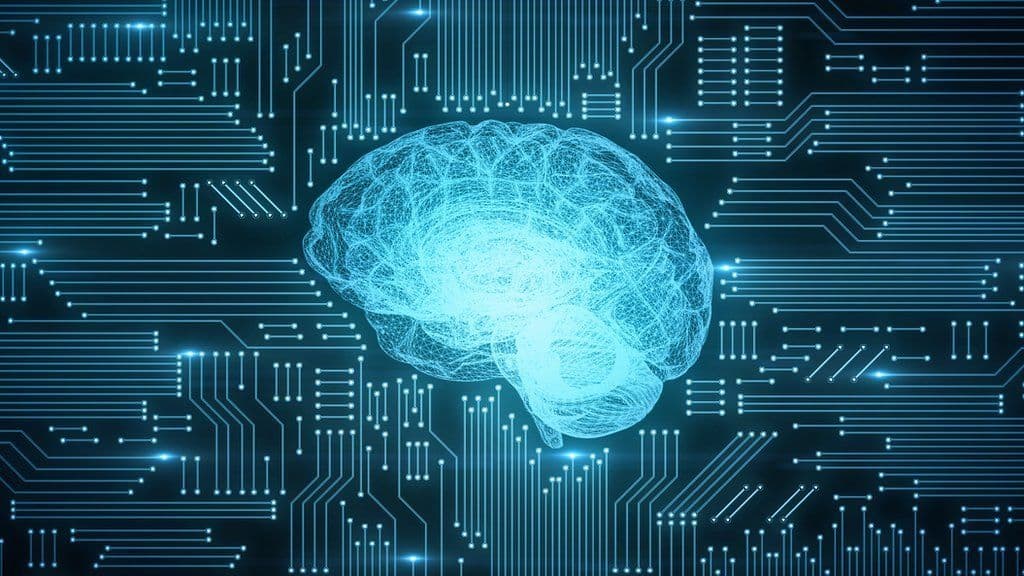
Health and fitness: AI is at the center of your health
AI is actively changing approaches to health and fitness, offering new opportunities for improved quality of life and personalized self-care.
Personalized workouts
Fitness devices and AI-enabled apps analyze your body data such as heart rate, sleep quality and physical activity to suggest the most appropriate workouts. Smart watches and fitness bracelets track changes in your condition, help you adjust your workout plans in real time, and remind you to rest. This approach not only helps you achieve your goals efficiently, but also reduces the risk of injury, because the program is tailored to your individual needs.
Telemedicine and diagnostics
In healthcare, AI is assisting doctors in making quicker and more precise diagnoses. For instance, algorithms process medical images, like X-rays and MRIs, to detect diseases with remarkable accuracy. This accelerates the diagnostic process, enabling doctors to act faster when a patient’s condition changes. In certain situations, AI can even recommend treatment plans by analyzing extensive medical data, contributing to better patient outcomes and enhancing treatment effectiveness.
AI and cars: new horizons in driving
As artificial intelligence advances, cars are becoming not only safer but also more comfortable. Drivers can now experience the advantages of smart systems that enhance the ease and comfort of driving on the road.
Self-driving cars
Autonomous cars equipped with AI use sensors and cameras to analyze their surroundings, allowing them to make autonomous decisions on the road. These systems are able to recognize pedestrians, other vehicles and road signs, enabling safe driving without driver input. This approach not only reduces the risk of accidents, but also promises to change the habits of drivers, freeing them from the need to control the driving process and allowing them to do other things while traveling.
Smart driver assistance systems
Modern cars are equipped with various intelligent systems that make driving safer and more comfortable. These include parking assistance systems, automatic emergency braking, blind spot monitoring, and adaptive cruise control. These technologies allow vehicles to automatically react to changes in traffic situations, preventing accidents and providing convenience for the driver.
AI in the entertainment industry
The entertainment sector is a dynamic field where artificial intelligence is significantly reshaping our habits and perceptions. Video games, films, and virtual reality are increasingly intertwined with smart technologies, making the entertainment experience more immersive and tailored to individual preferences.
Video games
AI in video games helps create smarter and more realistic opponents that adapt to each user’s play style. These algorithms analyze the player’s actions and adjust to their strategies, creating dynamic and unique gameplay. In addition, artificial intelligence is involved in story generation, making each game session unique and diverse. Such technologies allow developers to create more vibrant and multi-layered worlds where players can experience a truly challenging and immersive gaming experience.
Virtual Reality
AI is heavily utilized in virtual reality, adding elements of interaction and adaptability. In virtual worlds, artificial intelligence helps to model the behavior of characters, which reacts to the player’s actions in real time. These technologies open new horizons for immersive fantasy worlds where every choice and action of the player can influence the development of events. AI in virtual reality not only improves the quality of interaction, but also provides unique sensations, providing a personalized experience for each user.
Artificial Intelligence at Work: Automation and Productivity Improvement
AI is becoming an integral part of workflows, assisting businesses in boosting productivity and lowering costs. By handling repetitive tasks, it allows employees to focus on more creative and strategic work.
Process Automation
AI is being used effectively to automate a multitude of workflows, including accounting, data processing, and inventory management. It helps businesses not only speed up standard operations, but also reduce errors, lowering costs and improving accuracy. AI algorithms can analyze financial reports, monitor stock availability and manage supply chains, freeing employees from monotonous tasks and allowing them to focus on more important aspects of the business.
Analytics and forecasting
AI is increasingly utilized to analyze vast amounts of data, enabling companies to make more informed decisions. Predictive models powered by AI examine market trends, consumer behaviors, and other variables, offering businesses crucial insights for strategic planning and adaptation. This capability helps companies stay agile in response to market fluctuations, optimize their resources, and reduce risks, which is particularly valuable in highly competitive and unpredictable environments.